Luxury Real Estate Market Overview 2026
The market for luxury property is evolving rapidly as high-net-worth individuals continue to seek exclusive residences across the globe. In 2026, the demand for waterfront properties, urban penthouses, and private villas remains strong. Emerging markets in Dubai, Monaco, Miami, and London are attracting international buyers who are looking not only for prestige but also for investment opportunities. Understanding the global luxury real estate trends is crucial for anyone interested in buying or investing in luxury property.
The rise of sustainable and eco-friendly homes is reshaping buyer expectations. High-end buyers now prioritize properties with smart technology, green certifications, and private amenities. As such, luxury property developers and agents are increasingly offering fully integrated home automation, wellness centers, and energy-efficient features. Investors and buyers should carefully evaluate market trends before committing to high-value purchases.
Understanding Different Types of Luxury Homes
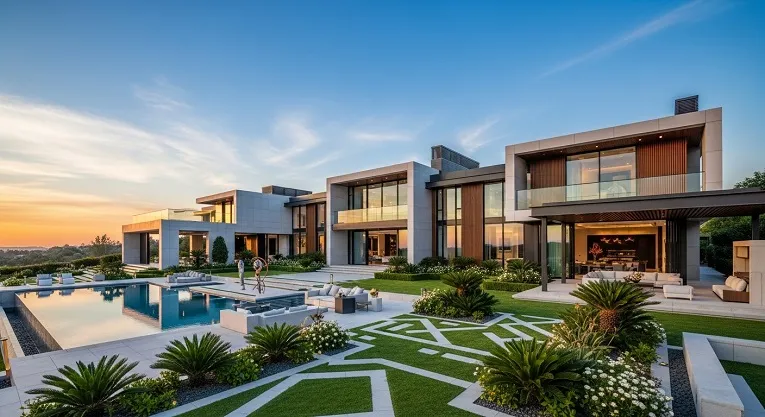
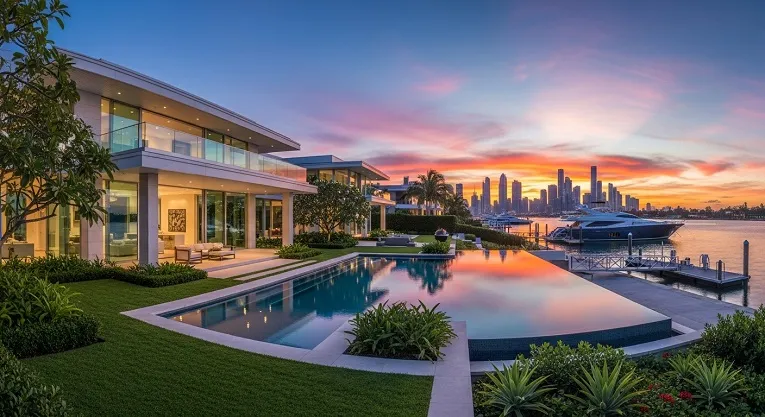
Luxury homes vary widely in design, location, and features. Buyers can choose from waterfront estates, historical mansions, urban penthouses, and exclusive villas. Each type offers a unique lifestyle and investment potential. Waterfront estates are highly sought after for their scenic views and access to private docks or beaches. Historical mansions appeal to collectors of prestigious properties that reflect heritage and architectural excellence. Urban penthouses in major cities combine luxury with convenience, providing a cosmopolitan lifestyle that complements business and leisure needs.
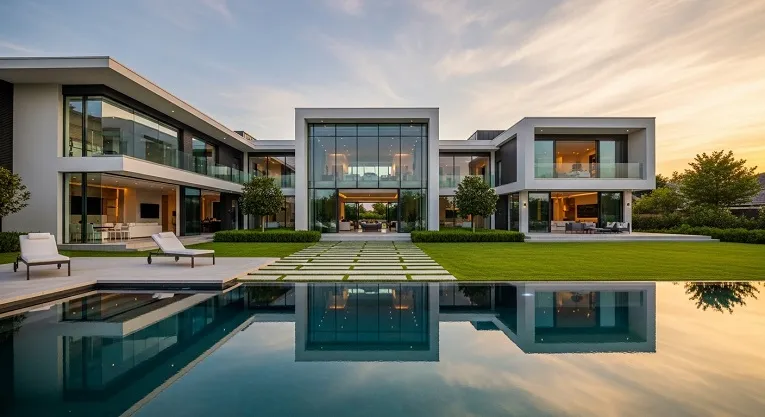
Sustainable luxury homes are emerging as a significant trend. These properties integrate energy-efficient systems, smart home technology, and environmentally friendly materials while maintaining aesthetic sophistication. Investing in modern sustainable estates not only enhances lifestyle but also ensures long-term property value appreciation.
Features That Add Value to Luxury Properties
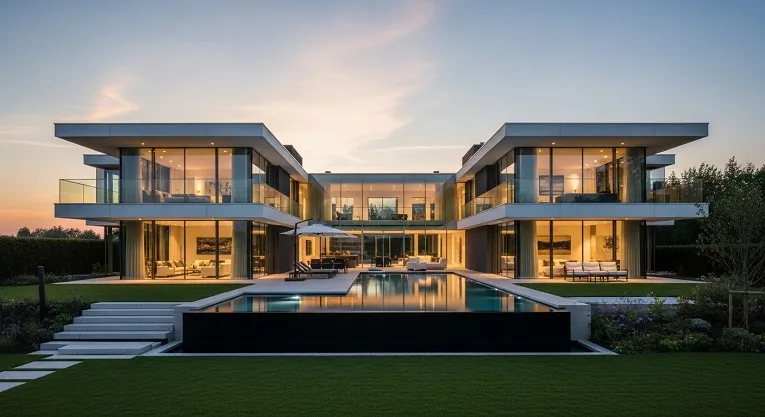
Certain features elevate the status and market value of luxury property. Amenities such as infinity pools, private cinemas, indoor wellness centers, wine cellars, and helipads are increasingly popular. Security and privacy measures are essential, as high-net-worth buyers prioritize discretion. Smart home technology now plays a central role, allowing homeowners to control lighting, temperature, entertainment, and security with ease. Properties with these premium features are consistently preferred by buyers seeking both lifestyle and investment value.
Additionally, lifestyle-focused amenities like private gyms, home theaters, rooftop terraces, and landscaped gardens contribute to the overall appeal of luxury property. Including these features can significantly increase resale value and attract international buyers who are willing to invest in unique experiences.
Investment Opportunities in Luxury Property
Investing in luxury property offers both financial returns and prestige. High-end estates often appreciate faster than standard real estate markets, especially in prime locations such as coastal cities or international financial hubs. Investors should focus on properties with high rental potential, such as luxury villas and waterfront homes, which can generate income through short-term rentals or vacation leases.
Tax-efficient investing is a vital consideration for international buyers. Legal structures and property registration vary across countries, and consulting a local expert ensures compliance while maximizing returns. Long-term investment strategies in luxury property focus on locations with rising property demand, stable economies, and infrastructure development that supports high-end living.
How to Choose the Right Location for Luxury Living
The location of a luxury property significantly impacts lifestyle and investment potential. City centers like New York, London, and Paris offer cultural access, business opportunities, and vibrant social scenes. Resort areas, including Malibu, the French Riviera, and the Caribbean, attract buyers seeking privacy, leisure, and vacation-focused living. Emerging luxury markets such as Dubai, Singapore, and Monaco provide opportunities for international investors to purchase high-end properties at competitive rates.
Lifestyle considerations include proximity to world-class schools, exclusive clubs, medical facilities, and recreational amenities. Buyers should evaluate both convenience and prestige when selecting the ideal location for their luxury property.
Selling and Marketing Luxury Property
Selling luxury property requires a strategic approach. Preparing a high-end estate for sale involves staging the home, enhancing its appeal with professional photography, and highlighting unique features such as home automation or private wellness centers. Virtual tours are now an essential marketing tool, offering international buyers the opportunity to experience the property remotely.
Partnering with experienced real estate agents who specialize in luxury homes ensures access to a network of qualified buyers. Marketing should emphasize the exclusivity and lifestyle associated with the property, making it attractive to both investors and end-users. Effective promotion combines traditional listing strategies with digital campaigns, targeting high-net-worth individuals globally.
Lifestyle and Aspirational Insights
Luxury property is more than an investment; it is a reflection of lifestyle and aspirations. Interiors are curated to showcase elegance, comfort, and personalization. Homeowners often prioritize spaces for entertainment, wellness, and relaxation. Properties with panoramic views, private gardens, rooftop terraces, and outdoor lounges create an environment for both leisure and social gatherings.
Celebrity-style homes inspire many buyers, providing insights into the latest trends in interior design, architecture, and lifestyle. Private amenities such as wine cellars, home theaters, and gyms cater to sophisticated tastes, making the experience of living in luxury property as important as its investment value.
Frequently Asked Questions About Luxury Property
Legal Requirements: Buying luxury property involves understanding local property laws, taxes, and ownership regulations. Professional advice ensures compliance and protects investment.
Financing Options: High-net-worth buyers have access to specialized mortgage plans and financing tailored to luxury estates. International buyers should evaluate currency and regulatory factors.
Common Buyer Concerns: Buyers often ask about resale value, maintenance costs, and neighborhood reputation. Addressing these questions upfront increases confidence and aids decision-making.
Conclusion and Next Steps
Luxury property offers a unique combination of lifestyle, prestige, and investment potential. By understanding market trends, selecting the right type of property, focusing on value-adding features, and choosing prime locations, buyers can make informed decisions. Engaging with professional real estate agents, leveraging strategic marketing, and considering lifestyle factors ensures that every purchase meets both financial and personal goals. Whether buying a waterfront estate, an urban penthouse, or a sustainable villa, informed choices will maximize the benefits of owning luxury property.