What Is a Luxury Estate?
A luxury estate is more than just a large house. It represents exclusivity, premium living, and a high level of comfort that goes beyond standard residential properties. In the world of luxury real estate, estates are typically defined by their size, location, design, and amenities.
Unlike regular homes, luxury homes often include expansive land, custom architecture, and advanced features. Many people confuse a luxury estate with a mansion or villa. While they are similar, estates usually offer more privacy, larger outdoor spaces, and a stronger focus on lifestyle.
What qualifies as luxury real estate can vary depending on the location. In some regions, a million dollar home is considered high-end, while in prime cities, the threshold is much higher. This variation makes it important to evaluate high-end properties based on local market standards rather than a fixed price.
Key Features of a Luxury Estate
A luxury estate stands out because of its exceptional features and attention to detail. These properties are designed to provide comfort, security, and prestige.
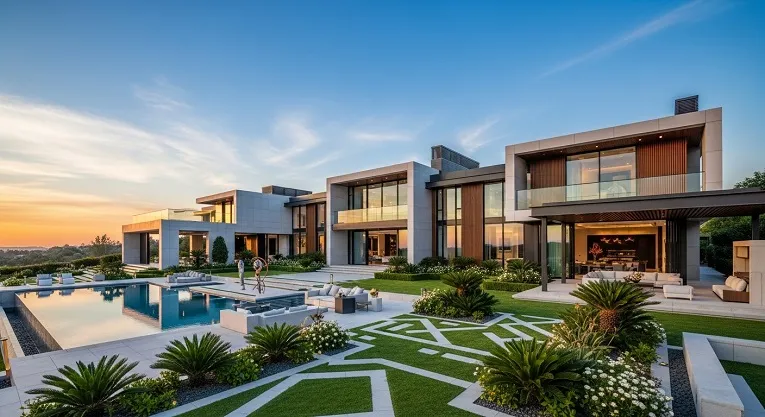
One of the most important elements is space. Luxury estates often include large plots of land that offer privacy and exclusivity. This is especially important for buyers who value peace and seclusion.
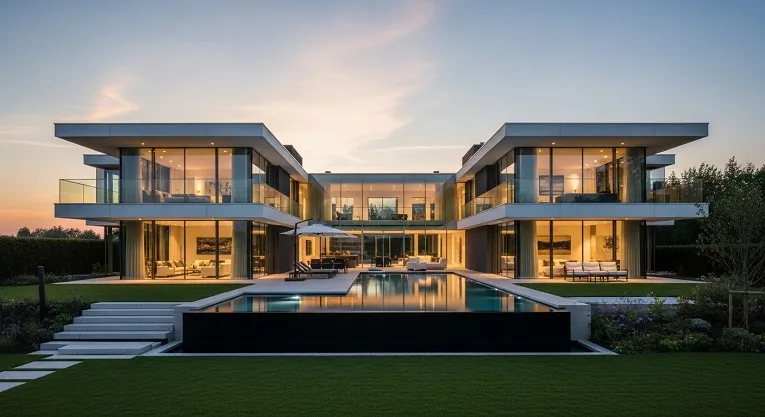
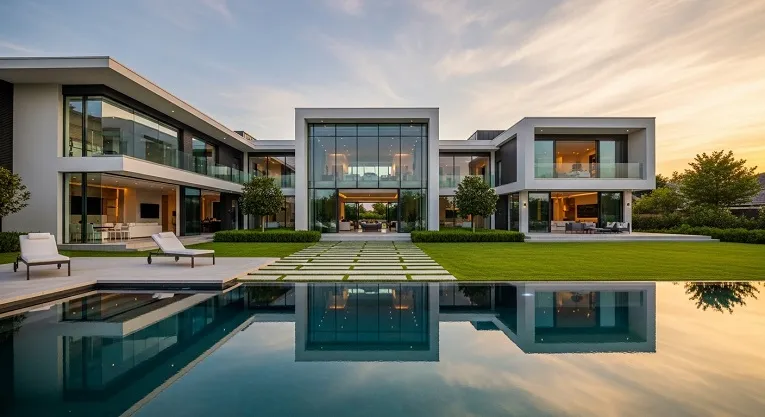
Architecture is another defining factor. Many premium real estate properties are designed by renowned architects and include bespoke elements that reflect personal taste. From modern glass structures to classic European designs, each estate is unique.
Technology also plays a major role. Smart luxury homes now include automated lighting, climate control, and advanced security systems. These features enhance convenience and safety for homeowners.
Amenities further elevate the experience. High-end properties often include swimming pools, home theaters, gyms, spas, and even private golf areas. These features transform a house into a complete lifestyle destination.
Types of Luxury Estates
Not all luxury estates are the same. They come in different forms, each catering to specific preferences and lifestyles.
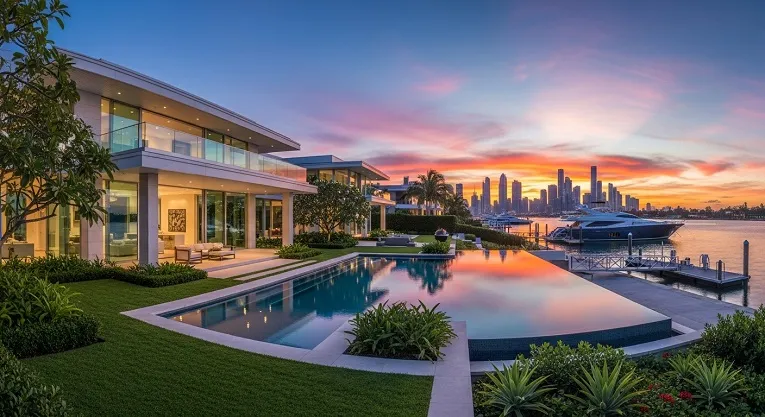
Waterfront luxury homes are highly sought after due to their scenic views and exclusivity. These properties are often located near beaches, lakes, or rivers.
Private estates offer maximum privacy and are usually located in secluded areas. They are ideal for high-net-worth individuals who value discretion.
Urban luxury estates are located in major cities and provide access to business hubs and entertainment. These properties combine convenience with premium living.
Eco-friendly estates are gaining popularity as buyers look for sustainable luxury homes. These properties use energy-efficient systems and environmentally friendly materials.
Countryside estates provide a peaceful lifestyle surrounded by nature. They are perfect for those who want to escape the busy city environment.
How Much Does a Luxury Estate Cost?
The cost of a luxury estate varies widely based on location, size, and features. In some areas, luxury homes for sale may start at one million dollars, while in prime global cities, prices can reach tens of millions.
Several factors influence pricing. Location is the most significant factor. Properties in cities like Dubai, London, and California tend to have higher values due to demand.
Size and design also play a role. Larger estates with custom architecture and premium finishes are more expensive. Amenities such as pools, smart systems, and security features further increase value.
Buyers should also consider hidden costs. Maintaining high-end properties can be expensive. Costs may include property taxes, security staff, landscaping, and regular maintenance. Understanding these expenses is essential before investing in luxury property investment opportunities.
Best Locations to Buy Luxury Estates
Location plays a crucial role in determining the value and appeal of luxury real estate listings. Some regions are known globally for their premium real estate markets.
Dubai is famous for its modern luxury homes and innovative designs. California offers a mix of beachfront and urban luxury estates. London is known for its historic and high-value properties.
European destinations such as Italy and France attract buyers looking for luxury villas and countryside estates. These regions offer a blend of history, culture, and elegance.
Emerging markets are also gaining attention. Countries like Turkey, Bali, and Pakistan are becoming popular for buyers seeking affordable luxury estates with strong investment potential.
How to Buy a Luxury Estate
Buying a luxury estate requires careful planning and a clear strategy. The process is different from purchasing a standard home.
The first step is defining your budget. This includes not only the purchase price but also additional costs. Next, choose the right location based on your lifestyle and investment goals.
Working with experienced agents who specialize in luxury real estate is essential. They can provide access to exclusive listings and guide you through the process.
Legal checks are another critical step. Ensure that all documents are verified and that the property complies with local regulations.
Negotiation is also important. High-end properties often allow room for price discussions. A well-planned negotiation strategy can help you secure the best deal.
Financing a Luxury Estate
Many buyers assume that luxury homes must be purchased in cash, but financing options are available. Understanding these options can make the buying process easier.
Mortgage solutions for luxury real estate differ from standard loans. They often require higher credit scores and larger down payments.
International buyers may face additional requirements depending on the country. It is important to research local financing rules before making a decision.
Choosing between cash and financing depends on your financial strategy. Both options have advantages, and the right choice depends on your long-term goals.
Is Buying a Luxury Estate a Good Investment?
Luxury property investment can offer strong returns when approached correctly. These properties often appreciate in value, especially in high-demand locations.
Rental income is another benefit. Many luxury estates can be rented as vacation homes, generating significant revenue. Platforms that cater to high-end vacation rentals have increased demand for such properties.
Market trends also play a role. Understanding luxury real estate trends can help investors make informed decisions. While the market can fluctuate, premium properties tend to maintain value over time.
Luxury Estate vs Other Property Investments
Comparing a luxury estate with other types of real estate helps buyers understand its value.
Apartments are more affordable and easier to manage, but they lack the space and exclusivity of estates. Commercial properties may offer steady income but require different management skills.
Vacation homes are similar to luxury estates but are often smaller and less private. Estates provide a complete lifestyle experience along with investment potential.
Luxury Estate Design Trends 2026
Design trends in luxury real estate continue to evolve. Modern buyers are looking for a balance between aesthetics and functionality.
Smart home technology is becoming standard. From automated systems to AI integration, technology enhances convenience.
Sustainability is another key trend. Buyers prefer eco-friendly materials and energy-efficient systems in sustainable luxury homes.
Minimalist designs are gaining popularity, but classic styles remain in demand. The focus is on creating spaces that are both elegant and practical.
Pros and Cons of Owning a Luxury Estate
Owning a luxury estate offers many benefits, but it also comes with challenges.
The advantages include privacy, prestige, and access to world-class amenities. These properties provide a lifestyle that is difficult to match.
However, there are also drawbacks. Maintenance costs can be high, and selling such properties may take longer due to a limited buyer pool.
Understanding both sides helps buyers make informed decisions.
Mistakes to Avoid When Buying a Luxury Estate
Many buyers make common mistakes when purchasing high-end properties.
One major mistake is ignoring hidden costs. Maintenance and taxes can significantly impact your budget.
Another issue is choosing the wrong location. Even the best property may not perform well if it is in a less desirable area.
Overpaying is also a risk. Proper market research and negotiation can help avoid this problem.
Who Should Buy a Luxury Estate?
Luxury estates are not suitable for everyone. They are ideal for high-net-worth individuals, investors, and families seeking privacy and space.
Some buyers are motivated by lifestyle, while others focus on investment potential. Retirees may choose estates for comfort and peace, while investors look for long-term returns.
Understanding your goals is key to making the right decision.
Final Thoughts: Is a Luxury Estate Worth It?
A luxury estate represents more than just a property. It is a combination of lifestyle, investment, and personal achievement. While the cost can be high, the benefits often justify the investment for the right buyer.
By understanding features, pricing, and the buying process, you can make a confident decision. Whether you are looking for a dream home or a valuable asset, luxury real estate offers opportunities that few other investments can match.