
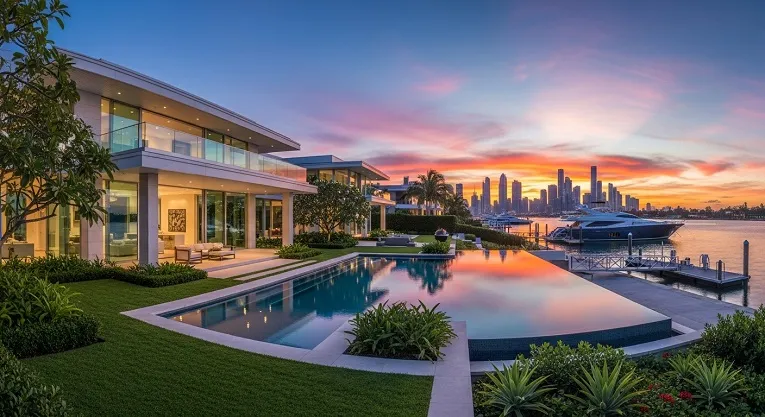
The luxury property market in 2026 is being shaped less by raw price growth and more by where high net worth buyers choose to base themselves, with demand concentrated in cities offering political stability, strong infrastructure and easy international travel links. London, Dubai, Monaco and Miami remain the four most searched luxury property markets globally, though the reasons buyers choose each one differ significantly.
Why Location Choice Has Changed
Five years ago, luxury property buyers weighed capital growth above almost everything else. Today, agents report that lifestyle infrastructure, tax residency rules and long term visa stability carry equal weight in decision making, particularly among buyers relocating a family rather than purchasing a single holiday home.
This shift has benefited cities that combine strong schooling, healthcare and connectivity with clear residency pathways. It has also increased interest in secondary luxury markets, such as Lisbon, Zurich and Auckland, as buyers diversify away from a single flagship city.
London
Prime central London, covering Mayfair, Knightsbridge, Belgravia and Chelsea, continues to attract international buyers despite higher stamp duty costs for overseas purchasers. The appeal remains a combination of established legal protections for property ownership, world class private schooling, and the city’s position as a global financial and cultural centre. Buyers researching this market in more depth may find our Luxury Estate Guide useful for understanding UK country and estate property specifically.
Dubai
Dubai has continued to draw luxury buyers on the strength of zero income tax, a fast and transparent property registration system, and rapid delivery of new premium developments in areas such as Palm Jumeirah and Dubai Hills. The market has matured considerably, with buyers now paying closer attention to developer track record and service charge history rather than relying solely on off plan pricing.
Monaco
Monaco remains the smallest and most tightly supplied of the four markets, which keeps prices per square metre among the highest in the world. Demand is driven almost entirely by tax residency benefits and the principality’s security and privacy, with very limited new supply meaning that resale property dominates most transactions.
Miami
Miami has benefited from sustained relocation of finance and technology professionals from other US states, alongside strong demand from Latin American buyers seeking a stable currency and property market. Waterfront condominiums and new build towers with extensive amenities remain the most searched property type in the city.
What This Means for Buyers Comparing Markets
Rather than choosing a market on reputation alone, buyers comparing these cities should weigh four practical factors: total cost of ownership including local taxes, currency exposure relative to their income and existing assets, residency or visa implications, and the strength of local rental demand if the property may ever be let. For buyers also considering property in Germany, Austria or Switzerland, our Luxus Immobilien Guide and Luxus Haus Guide cover that region specifically, and our Mortgage and Property Plus guide outlines financing considerations relevant across markets.
Frequently Asked Questions
Which city has the most expensive luxury property in 2026?
Monaco consistently records the highest price per square metre of any luxury property market globally, a result of its extremely limited land supply combined with strong and sustained demand.
Is Dubai a good long term luxury property investment?
Dubai offers strong tax advantages and a transparent registration process, though buyers should research developer track record and service charges carefully, since the market has a large volume of new supply that can affect resale value.
Why has demand grown for secondary luxury markets like Lisbon and Zurich?
Buyers are increasingly diversifying away from a single flagship city, and secondary markets offering strong infrastructure, stability and clear residency pathways have absorbed some of that demand.
How does UK stamp duty affect overseas luxury property buyers?
Overseas buyers of UK residential property typically pay an additional stamp duty surcharge on top of standard rates, which should be factored into total cost of ownership when comparing London against other global markets.
What should buyers prioritise when comparing luxury property markets?
Total cost of ownership, currency exposure, residency implications and local rental demand tend to matter more over the long term than headline price growth alone.
Written and reviewed by the My Luxury Property editorial team, who research premium property markets across the UK and internationally to help buyers compare locations, pricing and purchase routes before they commit. This article is for general information only and does not constitute advice; see our disclaimer for details. Have a question about a specific market? Get in touch with us here.