
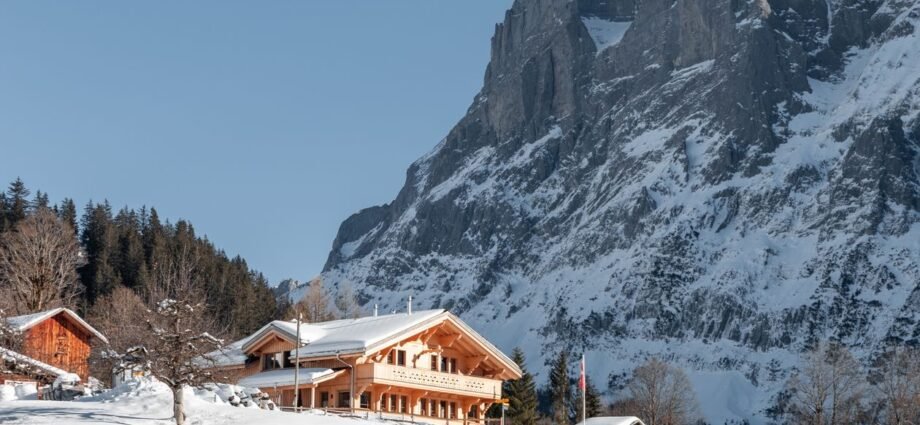
Lex Koller is the Swiss federal law restricting the purchase of residential property by foreign nationals who do not hold Swiss residency. Under this law, most non-resident foreign buyers cannot freely buy residential property in Switzerland and instead need cantonal authorisation, which is typically only available for specific holiday home locations under strict annual quotas.
Why Switzerland Restricts Foreign Buyers
Lex Koller was introduced to prevent foreign capital from driving up residential property prices to levels unaffordable for Swiss residents, particularly in popular tourist regions. The law has been in place in various forms since the 1960s and 1970s, with the current version dating to 1997, and it remains a defining feature of the Swiss property market that distinguishes it sharply from Germany and Austria, where foreign buyers face far fewer restrictions.
Who Is Exempt from Lex Koller
Several categories of buyer are exempt from these restrictions and can purchase Swiss residential property in the same way as a Swiss national. This includes holders of a Swiss C permit, which is the Swiss permanent residency permit, EU or EFTA nationals who hold a Swiss B permit and use the property as their main residence, and Swiss nationals living abroad in some circumstances. Buyers who fall into one of these categories should confirm their exact status with a Swiss notary before assuming an exemption applies, since permit types and their property rights can be nuanced.
What Non-Exempt Foreign Buyers Can Still Buy
Foreign buyers without Swiss residency are generally restricted to holiday homes in cantons and municipalities specifically designated for this purpose, subject to an annual national quota that is allocated to cantons and can be exhausted partway through the year. Approved holiday homes are also usually capped in size, commonly around 200 square metres of living space, and cannot typically be rented out year round as an investment property in the way an unrestricted purchase could be.
Commercial property, such as offices or business premises, generally falls outside Lex Koller restrictions, which is why some foreign buyers structure a purchase around genuine commercial use where that fits their actual purpose.
Geneva, Zug and the Cantons That Feel Different
Popular cantons for luxus immobilien, including Geneva and Zug, apply their own zoning and cantonal rules on top of the federal Lex Koller framework, and both are known for particularly tight supply. In Geneva, land scarcity combined with strict zoning keeps the pool of available property small regardless of a buyer’s Lex Koller status, while Zug’s low tax environment draws significant domestic demand that competes directly with the limited stock available to foreign buyers under quota. Buyers targeting these two cantons specifically should expect longer search timelines than in less constrained regions.
How This Compares with Germany and Austria
UK based buyers researching luxus immobilien across the DACH region should understand that Switzerland is meaningfully more restrictive than its neighbours. Germany places no general restriction on foreign residential ownership, and Austria’s rules vary by region but are generally more accessible than Switzerland’s national quota system. A buyer open to any of the three countries may find Germany or Austria a faster and more flexible route to ownership, while Switzerland suits buyers specifically drawn to its lifestyle and tax environment who are prepared to work within the quota system or who already qualify for an exemption.
The Cantonal Approval Process
- Confirm your exemption status or quota eligibility with a Swiss notary before making an offer, since approval is not guaranteed and should not be assumed
- Apply to the cantonal authority for authorisation, a process that runs alongside, not instead of, the standard property purchase process
- Expect conditions on use, such as size limits and restrictions on letting the property year round, particularly for holiday home approvals
- Involve a notary for the transaction itself, as with any Swiss property purchase, since notarisation is a legal requirement regardless of Lex Koller status
Frequently Asked Questions
Can UK citizens buy property in Switzerland after Brexit?
UK citizens are generally treated as non-EU foreign nationals under Lex Koller unless they hold a qualifying Swiss residency permit, meaning most UK buyers without Swiss residency are restricted to approved holiday home purchases under cantonal quota.
What happens if the annual quota is used up?
If a canton’s allocation under the national quota is exhausted for the year, new foreign buyer applications in that canton typically must wait until the following year’s quota becomes available, which can significantly delay a planned purchase.
Does Lex Koller apply to commercial property?
Generally not. Commercial property such as offices and business premises typically falls outside Lex Koller restrictions, which apply specifically to residential property.
Is Zug harder to buy in than other Swiss cantons?
Zug tends to be particularly competitive due to strong domestic demand driven by its low tax environment, which adds to the challenge foreign buyers already face under the national quota system.
Do Germany and Austria have similar restrictions to Switzerland?
No. Germany has no general restriction on foreign residential ownership, and Austria’s rules vary by region but are generally more accessible than Switzerland’s Lex Koller quota system.
Written and reviewed by the My Luxury Property editorial team, who research premium property markets across Europe to help buyers compare locations and legal requirements before they commit. This article is for general information only and is not legal advice; see our disclaimer for details. Have a question about buying in Switzerland? Get in touch with us here.